Neurosensory Specialist
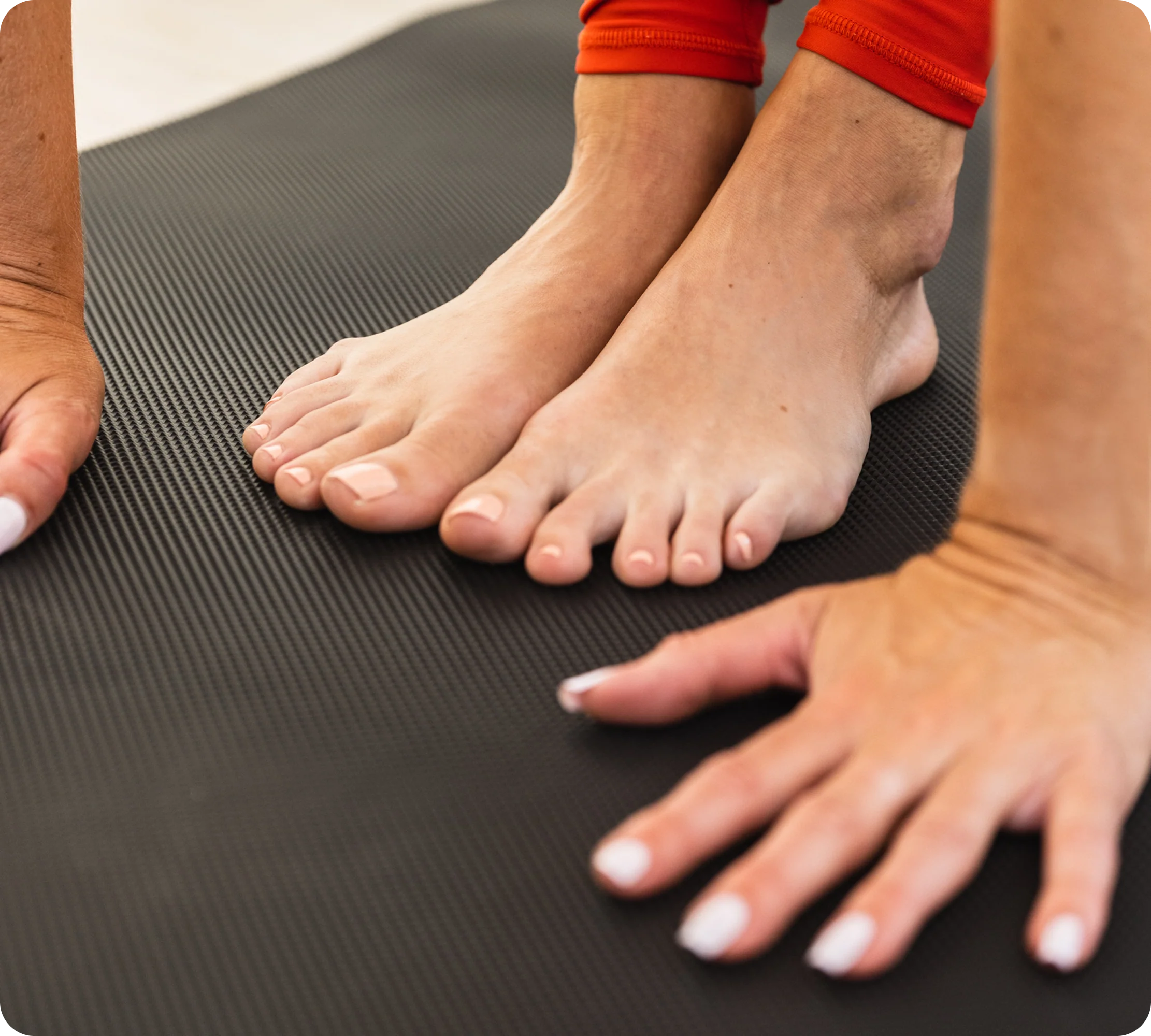
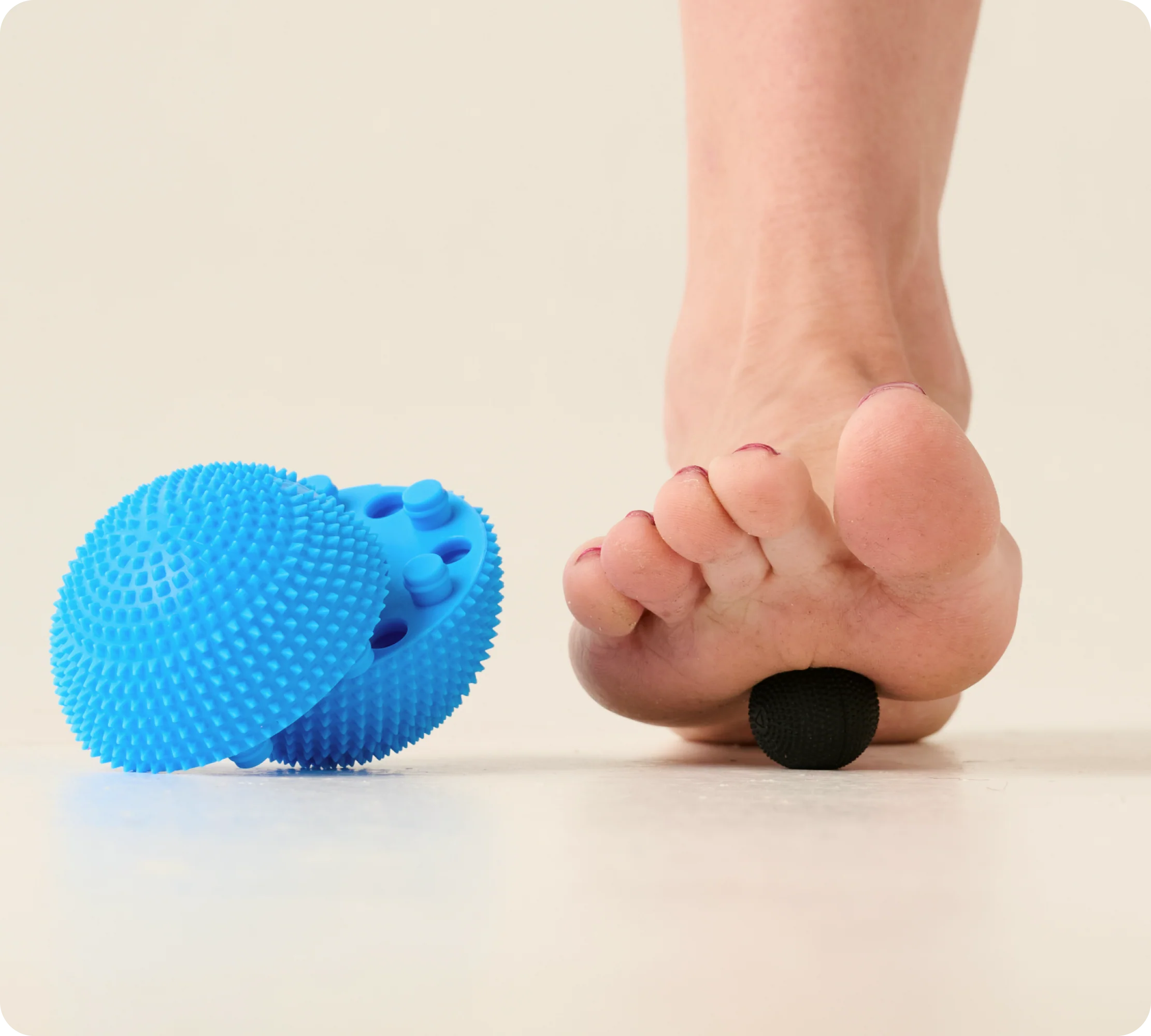
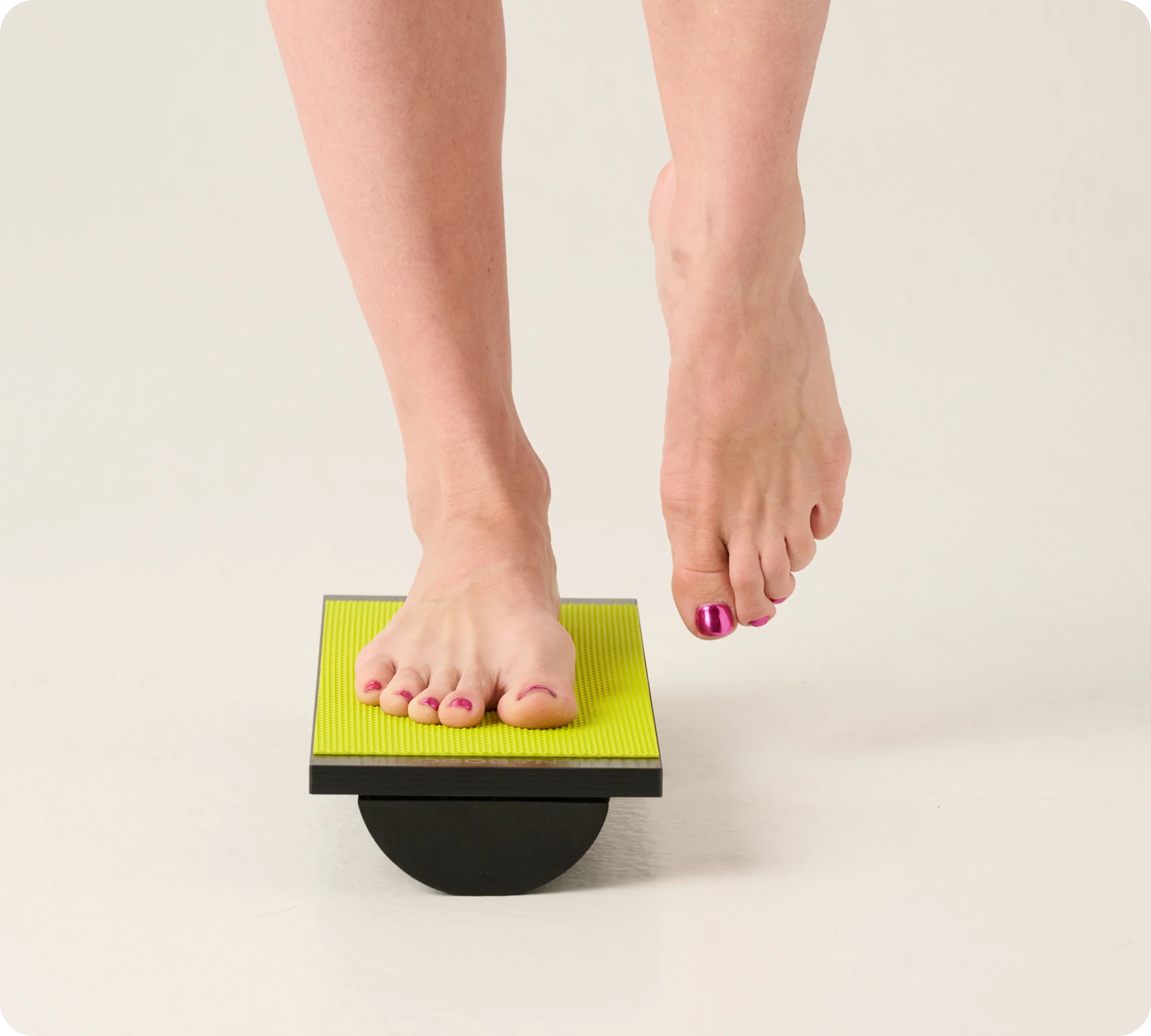
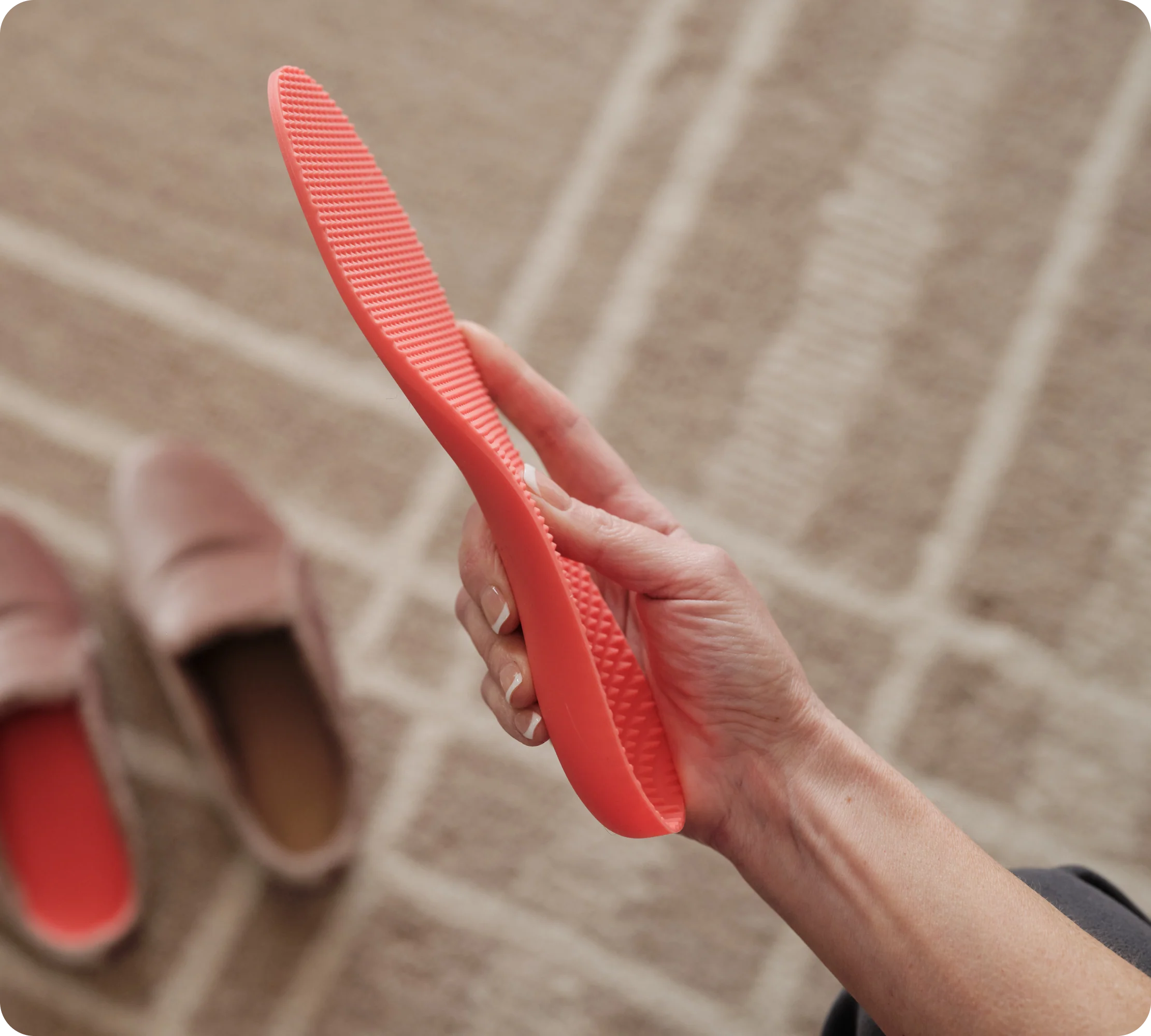
Movement is a Neurological Event. Traditional movement training focuses on strength and technique while ignoring the very signals that drive them. To the brain, movement is an output based on the quality of sensory input. When these signals—from the feet, hands, and eyes—are dulled or disorganized, movement quality hits a plateau.
The Neurosensory Specialist course teaches you how to leverage sensory stimulation to improve balance, coordination, timing, and adaptability. This is the transition from "muscles" to "messages," giving you the precision needed to separate average coaching from elite performance.
What You’ll Learn
NEUROSCIENCE FOUNDATIONS
- Sensory system anatomy & physiology
- Mechanoception vs proprioception
- Sensory weighting and conflict theory
BALANCE & SENSORY INTEGRATION
- Sensory stacking: combining stimuli to sharpen perception
- Training under sensory conflict
- Dynamic balance through sensory modulation
PRACTICAL PERFORMANCE APPLICATIONS
- Fall prevention strategies
- Reaction time & coordination sequencing
- Enhancing athletic performance through sensory cues
Product Information
Product Information
Shipping & Returns
Shipping & Returns
Description
Movement is a Neurological Event. Traditional movement training focuses on strength and technique while ignoring the very signals that drive them. To the brain, movement is an output based on the quality of sensory input. When these signals—from the feet, hands, and eyes—are dulled or disorganized, movement quality hits a plateau.
The Neurosensory Specialist course teaches you how to leverage sensory stimulation to improve balance, coordination, timing, and adaptability. This is the transition from "muscles" to "messages," giving you the precision needed to separate average coaching from elite performance.
What You’ll Learn
NEUROSCIENCE FOUNDATIONS
- Sensory system anatomy & physiology
- Mechanoception vs proprioception
- Sensory weighting and conflict theory
BALANCE & SENSORY INTEGRATION
- Sensory stacking: combining stimuli to sharpen perception
- Training under sensory conflict
- Dynamic balance through sensory modulation
PRACTICAL PERFORMANCE APPLICATIONS
- Fall prevention strategies
- Reaction time & coordination sequencing
- Enhancing athletic performance through sensory cues